


GLP-1 Medications are transforming metabolic healthcare by treating more than high blood sugar. These medicines can improve glucose control, reduce appetite, support weight loss, and, for some patients, lower cardiovascular risk. Their role is changing how clinicians approach diabetes and obesity.
Yet the category is often misunderstood. GLP-1 receptor agonists are not identical, and tirzepatide is a dual GIP and GLP-1 medicine rather than a traditional GLP-1 drug. Understanding benefits, limitations, safety, and prescribing helps patients evaluate these treatments realistically.
What Are GLP-1 Medications?
GLP-1 stands for glucagon-like peptide-1, a hormone naturally released by the intestine after eating.
Among its normal functions, GLP-1 helps coordinate the body’s response to food by:
- stimulating insulin secretion when blood glucose is elevated;
- reducing inappropriate glucagon release;
- slowing gastric emptying;
- increasing feelings of fullness; and
- influencing appetite pathways in the brain.
GLP-1 receptor agonists imitate or enhance these effects for a longer period than naturally occurring GLP-1.
They were originally developed primarily for type 2 diabetes, but clinical research has since demonstrated benefits that extend into obesity and, for particular drugs and patient groups, cardiovascular, kidney, and liver disease.
The 2026 American Diabetes Association Standards of Care now position GLP-1–based therapies as important treatments across several areas of cardiometabolic disease rather than treating them purely as glucose-lowering medications.
Read More: Type 2 Diabetes and Liver Health: Risks, Causes and Prevention
Which Drugs Are Considered GLP-1 Medications?
Several medicines activate the GLP-1 receptor, but they are not interchangeable.
Examples of GLP-1 receptor agonists include:
| Generic medicine | Examples of U.S. brands | Common clinical role |
|---|---|---|
| Semaglutide | Ozempic, Wegovy, Rybelsus | Type 2 diabetes, obesity and additional approved cardiometabolic indications depending on product |
| Liraglutide | Victoza, Saxenda | Type 2 diabetes or chronic weight management depending on product |
| Dulaglutide | Trulicity | Type 2 diabetes |
| Exenatide | Byetta, Bydureon | Type 2 diabetes |
| Lixisenatide | Adlyxin | Type 2 diabetes |
Brand names, approved indications, age limits, doses, and availability vary between countries.
Is Tirzepatide a GLP-1 Medication?
Not technically in the same way as semaglutide or liraglutide.
Tirzepatide activates both:
- GIP receptors, or glucose-dependent insulinotropic polypeptide receptors; and
- GLP-1 receptors.
It is therefore classified as a dual GIP and GLP-1 receptor agonist.
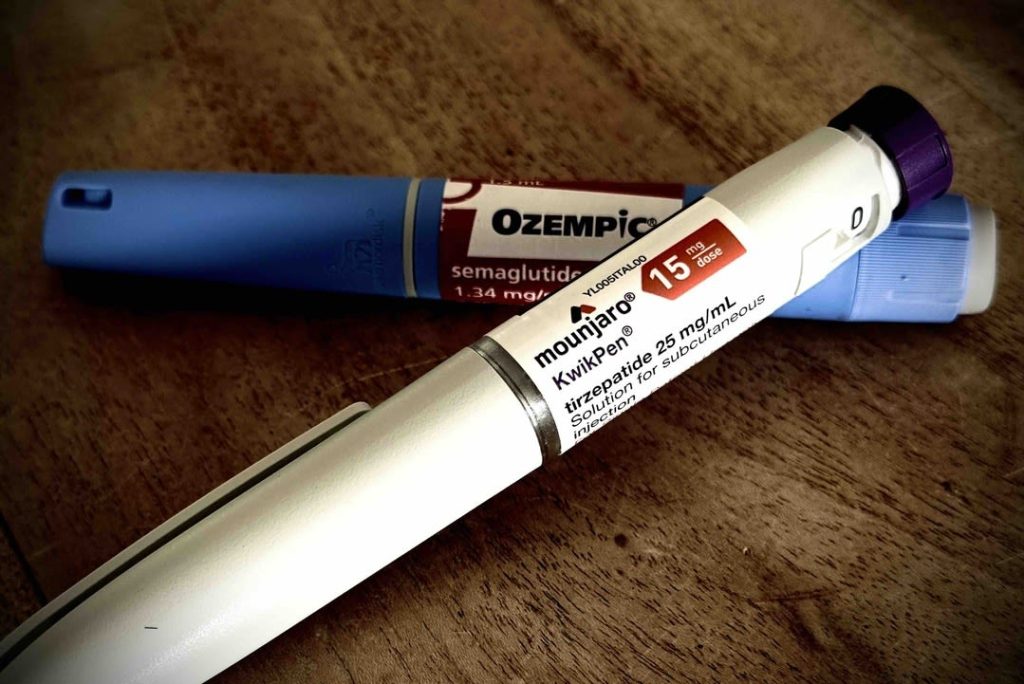
In the United States, tirzepatide is marketed as Mounjaro for type 2 diabetes and Zepbound for chronic weight management and certain other approved indications.
Because it acts partly through GLP-1 signaling, it is often grouped informally with “GLP-1 drugs,” but scientifically the distinction matters.
The ADA similarly separates traditional GLP-1 receptor agonists from dual GIP/GLP-1 therapy in its 2026 recommendations.
How Do GLP-1 Drugs Lower Blood Sugar?
Their glucose-lowering effects are partly glucose-dependent.
When blood glucose rises after eating, GLP-1 receptor activation helps the pancreas release insulin.
At the same time, these drugs can suppress excess glucagon, a hormone that encourages the liver to release glucose.
This combination helps reduce both fasting and post-meal glucose levels.
Because insulin stimulation depends partly on glucose concentration, GLP-1 receptor agonists generally have a relatively low risk of causing hypoglycemia when used alone.
However, hypoglycemia risk can increase when they are combined with:
- insulin;
- sulfonylureas; or
- other medicines capable of lowering glucose substantially.
The ADA therefore recommends reassessing insulin or other higher-hypoglycemia-risk medications when GLP-1–based therapy is added.
Why Do GLP-1 Medications Cause Weight Loss?
Their effects on body weight involve more than blood glucose.
GLP-1 receptor signaling influences appetite centers in the brain and can increase satiety after eating.
Many patients consequently:
- feel full sooner;
- remain full for longer;
- experience less hunger; and
- consume fewer calories.
Slower gastric emptying can also contribute, particularly during treatment initiation and dose escalation.
Weight loss varies substantially between drugs and between individuals.
Semaglutide and dual GIP/GLP-1 therapy with tirzepatide are among the agents with the greatest weight-loss efficacy currently recognized in diabetes guidelines.
However, these medicines do not make nutrition, physical activity, sleep, or long-term behavioral support irrelevant.
For obesity treatment, medication is generally used as part of comprehensive chronic disease management.
Why GLP-1 Therapy Represents a Change in Diabetes Care
Historically, diabetes drug selection was often centered primarily on lowering HbA1c.
Modern metabolic care is broader.
Clinicians increasingly consider whether a medicine can also help address:
- cardiovascular disease;
- chronic kidney disease;
- obesity;
- heart failure;
- metabolic liver disease; and
- hypoglycemia risk.
This has significantly changed treatment algorithms.
The 2026 ADA Standards state that in adults with type 2 diabetes who do not have severe hyperglycemia or hyperglycemic crisis, GLP-1–based therapy is preferred to insulin for initial or add-on glucose-lowering therapy in appropriate circumstances.
This does not mean insulin has become obsolete.
Insulin remains essential for type 1 diabetes and can be necessary in type 2 diabetes when glucose levels are extremely high, symptoms are severe, insulin deficiency is substantial, or other therapies are insufficient.
GLP-1 Medications and Cardiovascular Health
One of the most important changes in this drug class has been recognition of cardiovascular benefits.
Several GLP-1 receptor agonists have demonstrated reductions in major cardiovascular events in appropriate populations with type 2 diabetes.
The 2026 ADA recommends a GLP-1 receptor agonist with demonstrated cardiovascular benefit for people with type 2 diabetes and established atherosclerotic cardiovascular disease, multiple cardiovascular risk factors, or chronic kidney disease when clinically appropriate.
Semaglutide and Cardiovascular Risk in Obesity
In March 2024, the FDA expanded the indication for Wegovy, a semaglutide product, to reduce the risk of:
- cardiovascular death;
- heart attack; and
- stroke
in adults with established cardiovascular disease who also have overweight or obesity.
In the major trial supporting that approval, serious cardiovascular events occurred in 6.5% of participants receiving Wegovy compared with 8% receiving placebo.
This was particularly important because the participants were selected for overweight or obesity and cardiovascular disease rather than diabetes alone.
It reinforced the idea that obesity treatment can have measurable health benefits beyond reducing body weight.
GLP-1 Medications and Chronic Kidney Disease
Kidney protection has become another major area of metabolic treatment.
The 2026 ADA recommends either an SGLT2 inhibitor or a GLP-1 receptor agonist with demonstrated benefit in appropriate adults with type 2 diabetes and chronic kidney disease.
These therapies may be used for kidney and cardiovascular protection even when additional glucose lowering is not the primary reason for treatment.
What Did the Semaglutide Kidney Trial Show?
A dedicated kidney-outcome trial involving adults with type 2 diabetes and chronic kidney disease found that injectable semaglutide reduced a composite outcome that included:
- substantial sustained kidney-function decline;
- kidney failure;
- renal death; and
- cardiovascular death.
The FDA prescribing information reports a hazard ratio of 0.76 for this composite outcome compared with placebo.
These findings moved GLP-1 therapy further into kidney-protective diabetes care.
GLP-1 Therapy and Metabolic Liver Disease
The metabolic effects of this drug class have also become important in liver medicine.
Metabolic dysfunction-associated steatotic liver disease, or MASLD, is strongly connected with:
- obesity;
- insulin resistance;
- type 2 diabetes;
- high triglycerides; and
- other cardiometabolic risk factors.
Its inflammatory form, metabolic dysfunction-associated steatohepatitis, or MASH, can progress to liver fibrosis and cirrhosis.
Semaglutide’s New MASH Role
In August 2025, the FDA approved Wegovy under its accelerated approval pathway for adults with noncirrhotic MASH and moderate-to-advanced liver fibrosis.
At 72 weeks in the supporting trial:
- 63% of participants receiving semaglutide experienced MASH resolution without worsening fibrosis, compared with 34% receiving placebo;
- 37% had improvement in liver fibrosis without worsening MASH, compared with 22% receiving placebo.
The ongoing trial must still determine whether these improvements translate into lower rates of outcomes such as cirrhosis, liver transplantation, and death.
This distinction is important.
Accelerated approval based on improvements in liver tissue does not mean that every long-term liver outcome has already been proven.
GLP-1–Based Therapy and Heart Failure
Heart failure is another area where the role of incretin-based medicines is evolving.
The 2026 ADA Standards recommend GLP-1–based treatment with demonstrated benefit in certain adults who have:
- type 2 diabetes;
- obesity; and
- symptomatic heart failure with preserved ejection fraction, or HFpEF.
Both GLP-1 receptor agonists and dual GIP/GLP-1 therapies may have roles depending on the evidence for the particular drug.
This is another example of metabolic treatment moving beyond the traditional boundaries between endocrinology and cardiology.
Tirzepatide and Obstructive Sleep Apnea
A particularly striking expansion of GLP-1–based metabolic therapy occurred in sleep medicine.
In December 2024, the FDA approved Zepbound, or tirzepatide, for moderate-to-severe obstructive sleep apnea in adults with obesity, together with reduced-calorie eating and increased physical activity.
It became the first FDA-approved medication specifically for this indication.
The benefit was associated with significant body-weight reduction and improvement in sleep-apnea severity.
Again, tirzepatide is a dual GIP/GLP-1 receptor agonist rather than a pure GLP-1 receptor agonist, but the approval demonstrates how incretin-based therapy is influencing conditions linked to metabolic disease.
Metabolic Healthcare Is Becoming More Integrated
The expansion of GLP-1–based treatment reflects a broader shift in medicine.
Obesity, type 2 diabetes, cardiovascular disease, chronic kidney disease, fatty liver disease, and sleep apnea frequently occur together.
They are not completely separate disorders.
Common mechanisms can include:
- insulin resistance;
- excess visceral fat;
- chronic metabolic inflammation;
- abnormal lipid metabolism;
- hypertension; and
- altered appetite and energy regulation.
Treating these conditions independently can therefore miss the underlying cardiometabolic connection.
GLP-1–based medicines do not solve every component of metabolic disease, but they illustrate a movement toward treatments selected for whole-person metabolic outcomes, not a single laboratory number.
How Much Weight Can Someone Lose?
There is no single expected percentage.
Weight response depends on:
- the specific medicine;
- dose;
- treatment duration;
- starting body weight;
- adherence;
- nutrition;
- physical activity;
- biological variation;
- other medications; and
- underlying medical conditions.
Clinical trials report average group outcomes, not guarantees for an individual patient.
Some people experience substantial weight reduction, while others lose considerably less or stop therapy because of adverse effects.
Medication should therefore be evaluated according to overall health improvement rather than a social-media target weight.
Are GLP-1 Medicines Short-Term Weight-Loss Drugs?
Usually not when they are prescribed for chronic obesity management.
Obesity is considered a chronic disease.
The 2026 ADA Standards state that obesity pharmacotherapy intended for chronic treatment should generally be continued after weight goals are reached when appropriate because stopping treatment frequently leads to weight regain and deterioration of cardiometabolic risk factors.
This does not mean everyone must remain on the same medicine indefinitely.
Long-term treatment depends on:
- effectiveness;
- adverse effects;
- access;
- cost;
- patient preference;
- changes in medical conditions; and
- availability of other therapies.
A clinician may adjust, switch, or discontinue treatment when the balance of benefit and risk changes.
What Happens After Stopping a GLP-1 Medication?
Appetite regulation can change again after medication is discontinued.
Some patients regain part of the weight they lost.
This is not evidence that the medicine “damaged metabolism” or that treatment failed.
Rather, the biological mechanisms that promote obesity may remain present after pharmacologic appetite regulation is removed.
Long-term plans therefore need to include:
- nutrition;
- physical activity;
- behavioral support;
- monitoring;
- management of sleep and other health conditions; and
- discussion of continued treatment when appropriate.
Common GLP-1 Side Effects
Gastrointestinal effects are the most common.
Depending on the specific medicine, these may include:
- nausea;
- vomiting;
- diarrhea;
- constipation;
- abdominal discomfort;
- bloating;
- indigestion; and
- reduced appetite.
Symptoms often appear when treatment begins or after the dose increases.
Gradual dose titration is used partly to improve tolerability.
The ADA recommends strategies such as smaller meals, stopping eating when full, reducing high-fat or spicy foods when they trigger symptoms, and considering slower titration for patients with significant gastrointestinal difficulties.
Important but Less Common Safety Concerns
GLP-1–based therapy is not appropriate for everyone.
Potential concerns vary somewhat by product but can include:
Pancreatitis
Acute pancreatitis has been reported in people receiving GLP-1 receptor agonists.
Severe, persistent abdominal pain—particularly when it radiates toward the back and is accompanied by vomiting—requires prompt medical assessment.
The ADA notes that pancreatitis has been reported, although a causal relationship is not established for every situation.
Gallbladder Disease
Weight loss and GLP-1 therapy can be associated with gallstones or gallbladder inflammation in some patients.
Symptoms such as severe upper-right abdominal pain, fever, vomiting, or jaundice require medical evaluation.
Severe Gastrointestinal Problems
Because these medications influence gastrointestinal function, they may not be appropriate for people with certain severe digestive disorders.
The ADA advises against GLP-1 receptor agonists in individuals with gastroparesis.
Dehydration and Kidney Problems
Persistent vomiting or diarrhea can cause dehydration.
This can worsen kidney function, particularly in someone who already has chronic kidney disease.
Diabetic Retinopathy
Rapid improvement in blood glucose can temporarily worsen diabetic retinopathy in some high-risk patients.
People with existing diabetic eye disease may need closer monitoring when glucose levels improve rapidly.
What About the Thyroid Cancer Warning?
Several widely used GLP-1–based medicines carry warnings based on thyroid C-cell tumors observed in rodents.
For medications including semaglutide and liraglutide, it is unknown whether the same effect occurs in humans.
Certain products are contraindicated in people with:
- a personal history of medullary thyroid carcinoma;
- a family history of medullary thyroid carcinoma; or
- multiple endocrine neoplasia syndrome type 2.
For example, the FDA prescribing information for liraglutide includes this boxed warning and contraindication.
Patients should review the specific prescribing information for the drug they are considering.
Do GLP-1 Medicines Increase Suicide Risk?
This issue received considerable attention after reports involving medicines used for obesity.
The most recent FDA conclusion is reassuring.
In January 2026, the FDA announced that its comprehensive review did not identify an increased risk of suicidal thoughts or behavior associated with GLP-1 receptor agonist medications.
The agency therefore requested removal of suicidal behavior and ideation warnings from labeling where those warnings had been required for Saxenda, Wegovy, and Zepbound.
Patients experiencing new or worsening mental-health symptoms should still seek appropriate medical care regardless of which medicine they use.
GLP-1 Medicines and Surgery or Anesthesia
Because GLP-1–based medicines can delay stomach emptying, there has been concern about food remaining in the stomach during anesthesia or deep sedation.
This can potentially increase aspiration risk.
Guidance in this area has evolved as evidence has developed.
Patients taking a GLP-1 medication should tell:
- their surgeon;
- anesthesiologist;
- gastroenterologist; and
- prescribing clinician
before a planned procedure.
They should follow current individualized instructions rather than stopping the medicine on their own.
The 2026 ADA Standards specifically include peri-procedural guidance related to potential aspiration risk with GLP-1 receptor agonists.
Are GLP-1 Medications Safe During Pregnancy?
Weight-loss treatment is not appropriate during pregnancy.
Someone who is pregnant, planning pregnancy, or breastfeeding should discuss their medication with a qualified clinician because recommendations and required discontinuation intervals differ by drug.
Patients should not stop a diabetes medication abruptly without a replacement plan, particularly when glucose control is important during pregnancy.
Are Ozempic and Wegovy the Same Thing?
They contain the same active ingredient, semaglutide, but they are separate products with different approved indications and dosing frameworks.
Ozempic is primarily a type 2 diabetes product and has additional cardiovascular and kidney-related indications for eligible adults.
Wegovy is used for chronic weight management in qualifying patients and has additional approved indications including cardiovascular risk reduction and, in selected adults, MASH.
Using the brand names as interchangeable terms can therefore be misleading.
The appropriate product and dose depend on the condition being treated.
Is Ozempic Approved Simply for Cosmetic Weight Loss?
No.
Prescription metabolic medicines are intended to treat defined medical conditions in eligible patients.
They are not approved simply to help a person without a medical indication become thinner for cosmetic reasons.
People seeking weight treatment should receive an assessment that considers:
- BMI and weight-related health conditions;
- diabetes status;
- cardiovascular health;
- kidney and liver function;
- current medications;
- pregnancy plans;
- gastrointestinal history; and
- other contraindications or precautions.
What About Compounded Semaglutide and Tirzepatide?
This has become an important safety issue.
Compounded medicines are not the same as FDA-approved products.
They do not undergo FDA premarket review for safety, effectiveness, and manufacturing quality in the same way approved medications do.
The FDA has reported dosing errors and adverse events involving compounded semaglutide and tirzepatide.
As of May 31, 2026, the FDA had received 990 adverse-event reports involving compounded semaglutide and more than 730 involving compounded tirzepatide, although a report does not by itself prove the compounded product caused the event.
The FDA has also warned that some compounded products marketed as semaglutide use salt forms such as semaglutide sodium or semaglutide acetate, which are different from the active ingredient used in approved drugs.
Patients should obtain prescription medicines through legitimate medical and pharmacy channels.
Why Social Media Can Create a Misleading Picture
Online discussion often reduces these medications to dramatic before-and-after weight-loss images.
That leaves out important medical context.
GLP-1–based therapy involves decisions about:
- diagnosis;
- dosing;
- dose escalation;
- adverse effects;
- diabetes medications;
- kidney function;
- eye disease;
- cardiovascular risk;
- nutrition;
- muscle preservation;
- long-term follow-up; and
- whether continued therapy remains appropriate.
Rapid weight loss is not automatically healthier weight loss.
Preserving muscle, meeting nutritional needs, remaining physically active, and monitoring chronic conditions remain important.
Are GLP-1 Medications a Replacement for Healthy Habits?
No.
These medicines alter important biological drivers of hunger, glucose metabolism, and energy regulation, but lifestyle remains part of metabolic treatment.
Useful accompanying strategies can include:
- adequate protein intake;
- vegetables, fruits, legumes, and whole grains;
- appropriate calorie intake;
- regular resistance exercise;
- aerobic activity;
- sufficient sleep;
- limiting tobacco exposure;
- management of blood pressure and cholesterol; and
- regular medical follow-up.
For someone losing substantial weight, resistance training and adequate nutrition are particularly important for helping preserve lean body mass.
How GLP-1 Therapy Compares With Traditional Diabetes Treatment
| Treatment feature | Traditional glucose-centered approach | Modern GLP-1–based approach |
|---|---|---|
| Main initial goal | Lower blood glucose | Manage glucose while considering broader metabolic disease |
| Effect on weight | Can be neutral, gain-promoting, or modestly reducing | Often promotes weight loss |
| Hypoglycemia when used alone | Depends heavily on drug class | Generally low |
| Cardiovascular outcomes | Not all glucose-lowering drugs reduce CV events | Certain GLP-1 RAs have demonstrated CV benefit |
| Kidney outcomes | Historically secondary consideration | Certain therapies now selected partly for kidney protection |
| Obesity treatment | Often managed separately | Can be integrated with diabetes care |
| Liver disease | Usually separate specialty focus | Selected GLP-1 therapies now have evidence or indications in MASH |
| Treatment philosophy | Disease-by-disease | Increasingly cardiometabolic and organ-focused |
This does not mean GLP-1 drugs should replace every older therapy.
Metformin, SGLT2 inhibitors, insulin, lipid-lowering drugs, blood-pressure treatments, and other medications remain essential for many patients.
The change is that treatment can now be matched more closely to the patient’s complete metabolic risk profile.
Who May Be a Candidate for GLP-1–Based Therapy?
Depending on the drug, country, and approved indication, potential candidates may include people with:
- type 2 diabetes;
- obesity;
- overweight with qualifying weight-related conditions;
- established cardiovascular disease;
- chronic kidney disease associated with type 2 diabetes;
- selected forms of MASH;
- or other conditions for which a specific product has demonstrated and approved benefit.
Eligibility for one GLP-1 medicine does not automatically mean every medicine in the category is suitable.
Who May Need a Different Treatment?
A clinician may recommend another approach when a person has:
- a contraindication listed for the specific medication;
- severe gastrointestinal disease;
- significant intolerance;
- certain thyroid cancer histories;
- pregnancy;
- particular pancreatic or gallbladder concerns;
- medication interactions or treatment conflicts; or
- a condition better treated with another drug class.
Cost and reliable access also matter because metabolic disease usually requires long-term management.
Questions to Ask Before Starting a GLP-1 Medication
A useful medical consultation should go beyond asking how many kilograms someone might lose.
Important questions include:
- What condition are we treating?
- Why is this particular drug appropriate for me?
- What health benefit are we targeting besides weight or HbA1c?
- What side effects should I expect?
- Which symptoms require urgent medical attention?
- Will my insulin or other diabetes medicines need adjustment?
- How will we monitor my kidneys, eyes, liver, or other conditions?
- What happens if I cannot tolerate or afford long-term treatment?
- What lifestyle changes should accompany treatment?
- How will we determine whether the medication is working?
These questions help turn medication use into structured metabolic care rather than a short-term weight-loss experiment.
The Future of GLP-1 and Incretin Therapy
The field is developing rapidly.
Research is exploring:
- additional oral formulations;
- longer-acting treatments;
- combinations targeting several metabolic hormones;
- preservation of muscle during weight loss;
- cardiovascular and kidney outcomes;
- liver disease;
- sleep apnea;
- heart failure;
- and other obesity-related conditions.
The larger scientific trend is toward multi-organ metabolic treatment.
Future therapies may increasingly be judged not only by how much they lower glucose or body weight, but by whether they prevent major health outcomes such as:
- heart attack;
- stroke;
- kidney failure;
- liver progression;
- heart-failure hospitalization; and
- premature death.
Frequently Asked Questions
What does GLP-1 stand for?
GLP-1 stands for glucagon-like peptide-1. It is a natural gut hormone involved in insulin release, glucagon regulation, gastric emptying, appetite, and satiety. GLP-1 receptor agonist medicines reproduce some of these effects for therapeutic purposes.
Are GLP-1 medications only for diabetes?
No. Although the class originated primarily in type 2 diabetes care, selected products are now approved or recommended for conditions including obesity, cardiovascular risk reduction, chronic kidney disease, and MASH. The indication depends on the specific medicine.
Is tirzepatide the same as semaglutide?
No. Semaglutide is a GLP-1 receptor agonist. Tirzepatide activates both GIP and GLP-1 receptors and is therefore a dual GIP/GLP-1 receptor agonist. They have different molecules, dosing, approved indications, and clinical evidence.
Do GLP-1 medications work without dieting?
These medicines can biologically reduce appetite and energy intake, but treatment is generally intended to accompany sustainable nutrition, physical activity, and management of other metabolic risk factors. Lifestyle measures also help protect muscle, cardiovascular fitness, and long-term health.
Will I regain weight after stopping a GLP-1 drug?
Weight regain can occur after treatment is stopped because appetite and other biological drivers of obesity may return. Current ADA guidance treats obesity pharmacotherapy as chronic treatment when clinically appropriate rather than automatically stopping medication after a target weight is reached.
What are the most common GLP-1 side effects?
Nausea, vomiting, diarrhea, constipation, abdominal discomfort, and reduced appetite are among the most common. Symptoms frequently occur during treatment initiation or dose increases and may improve with gradual titration.
Can GLP-1 medications protect the heart?
Certain GLP-1 receptor agonists have demonstrated cardiovascular benefit in defined populations. For example, semaglutide used as Wegovy is FDA-approved to reduce cardiovascular death, heart attack, and stroke in adults with cardiovascular disease and overweight or obesity.
Are compounded GLP-1 medications the same as approved products?
No. Compounded products are not FDA-approved and do not undergo the same premarket assessment for safety, effectiveness, and manufacturing quality. The FDA has reported dosing errors and adverse events involving compounded semaglutide and tirzepatide.
Conclusion
GLP-1 Medications are changing metabolic healthcare because their value now extends far beyond lowering glucose. Depending on the specific medicine and patient, treatment may address obesity while also improving cardiovascular, kidney, liver, or other metabolic outcomes.
