

The Science of Sleep explains why quality rest is essential for brain and body rather than simply a period of inactivity. During sleep, the brain processes information while cardiovascular, metabolic, hormonal, immune, and repair systems perform functions that support health.
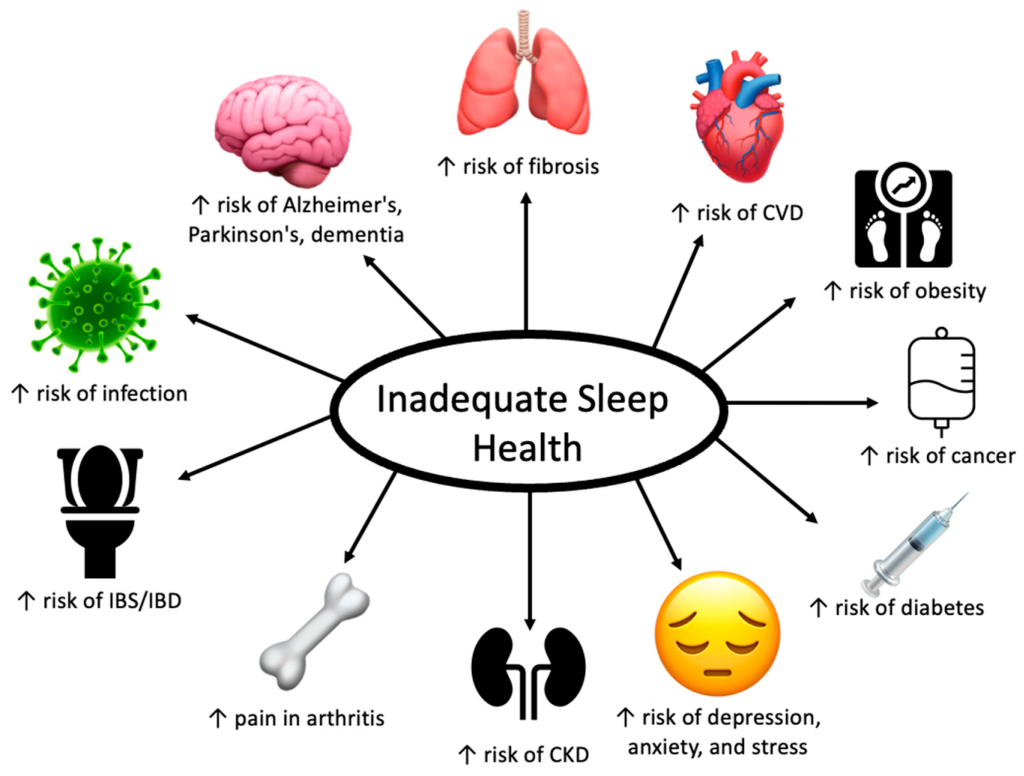
Consistently poor sleep can affect concentration, mood, blood pressure, appetite, glucose regulation, immunity, and safety. Healthy sleep depends on more than total hours; regular timing, uninterrupted rest, sleep stages, and freedom from untreated sleep disorders influence how restorative sleep becomes.
Why Sleep Is a Biological Necessity
Sleep may look passive from the outside, but the brain and body remain highly active.
Throughout the night, the nervous system moves through repeating sleep stages while processes related to:
- memory;
- learning;
- metabolism;
- cardiovascular function;
- immune activity;
- hormone regulation;
- tissue repair; and
- emotional processing
continue in coordinated patterns.
The National Heart, Lung, and Blood Institute states that sleep supports healthy brain function and physical health. Chronic sleep deficiency is associated with problems including heart disease, high blood pressure, obesity, stroke, diabetes, impaired immune function, and poorer daytime performance.
This is why sleep should be considered alongside nutrition and physical activity as a basic part of health.
Read More: Daily Wellness Tips for Better Physical and Mental Health
What Happens While You Sleep?
Normal sleep is divided into two major phases:
- non-rapid eye movement sleep, or non-REM sleep
- rapid eye movement sleep, or REM sleep
These phases repeat several times through the night.
NHLBI reports that a typical sleep cycle lasts approximately 80 to 100 minutes, with most people completing about four to six cycles per night.
Non-REM Sleep
Non-REM sleep has three stages.
| Stage | What happens |
|---|---|
| Stage 1 | Transition from wakefulness into sleep |
| Stage 2 | Stable sleep begins and awareness of surroundings decreases |
| Stage 3 | Deep or slow-wave sleep |
Stage 3 is often called deep sleep.
People generally spend more time in deep sleep earlier in the night.
Deep sleep is associated with physical restoration and normal biological processes involved in growth, repair, and recovery.
REM Sleep
During REM sleep:
- brain activity becomes relatively high;
- rapid eye movements occur;
- vivid dreaming is common; and
- muscles become temporarily less active.
REM sleep becomes more prominent later in the night.
Sleep research associates REM and non-REM sleep with different aspects of learning, memory, emotional processing, and normal brain function.
This is one reason repeatedly interrupting sleep can matter even when total time in bed appears adequate.
Sleep Duration and Sleep Quality Are Not the Same
Someone can spend eight hours in bed and still have poor sleep.
CDC defines quality sleep as sleep that is sufficiently uninterrupted and refreshing. Signs of poor quality include:
- difficulty falling asleep;
- repeatedly waking during the night; and
- feeling tired despite apparently getting enough hours.
Healthy sleep therefore has several dimensions:
- Duration — enough total sleep.
- Quality — sleep is reasonably continuous and refreshing.
- Timing — sleep occurs at biologically appropriate times.
- Regularity — bedtime and waking time are relatively consistent.
- Sleep architecture — normal cycling through sleep stages.
- Absence of untreated disorders — such as insomnia or sleep apnea.
The American Academy of Sleep Medicine similarly emphasizes that healthy sleep involves duration, quality, timing, regularity, and the absence of sleep disorders.
How Much Sleep Do You Actually Need?
Sleep requirements change with age.
Current CDC guidance recommends:
| Age | Recommended sleep |
|---|---|
| Newborns, 0–3 months | 14–17 hours |
| Infants, 4–12 months | 12–16 hours including naps |
| Toddlers, 1–2 years | 11–14 hours including naps |
| Preschool, 3–5 years | 10–13 hours including naps |
| School age, 6–12 years | 9–12 hours |
| Teens, 13–17 years | 8–10 hours |
| Adults, 18–60 years | 7 or more hours |
| Adults, 61–64 years | 7–9 hours |
| Adults, 65+ years | 7–8 hours |
These are population-level recommendations.
Individual needs vary according to:
- genetics;
- illness;
- pregnancy;
- sleep debt;
- physical activity;
- work schedule; and
- other biological factors.
The important question is not simply whether someone reaches a precise number, but whether they routinely obtain enough high-quality sleep to function well.
Is Eight Hours the Perfect Amount?
Not necessarily.
“Eight hours” is a useful approximation, not a universal biological rule.
The American Academy of Sleep Medicine recommends seven or more hours of regular sleep for healthy adults rather than requiring exactly eight hours.
Some adults function well toward the lower end of the healthy range, while others need more.
Persistent daytime sleepiness despite apparently adequate sleep may suggest poor sleep quality or an underlying disorder rather than insufficient time in bed.
The Science Behind Your Body Clock
Sleep is controlled partly by the circadian rhythm, an internal biological timing system that operates on approximately a 24-hour cycle.
A central clock in the brain helps coordinate:
- sleepiness;
- alertness;
- hormone release;
- body temperature;
- metabolism; and
- other daily biological processes.
Light is one of the strongest environmental signals affecting this clock.
NHLBI explains that daylight helps synchronize the circadian system, while bright artificial light in the evening can interfere with signals that prepare the body for sleep.
Melatonin and Light
As darkness increases in the evening, the body normally begins producing more melatonin, a hormone involved in preparing for sleep.
Bright light late at night can suppress or delay this process.
Light from:
- televisions;
- phones;
- tablets;
- computers; and
- bright indoor lighting
can contribute to delayed sleep timing when exposure is intense or prolonged near bedtime.
This does not mean every screen must be completely eliminated after sunset.
It means reducing bright stimulation before bed may help people whose sleep timing is easily disrupted.
A Second Process: Sleep Pressure
Circadian rhythm is not the only system controlling sleep.
Another process is known as sleep pressure or sleep homeostasis.
The longer someone remains awake, the stronger the biological drive to sleep becomes.
A chemical called adenosine accumulates in the brain during wakefulness and is involved in this growing sleep pressure.
Sleep reduces this pressure.
Why Caffeine Keeps You Awake
Caffeine works partly by blocking adenosine receptors.
This can reduce the sensation of sleepiness even when the underlying need for sleep remains.
That explains why someone may feel more alert after coffee without actually reversing sleep deprivation.
For people sensitive to caffeine, consuming it late in the day can delay sleep or reduce sleep quality.
Sleep and Brain Function
The brain is particularly sensitive to inadequate sleep.
Quality sleep supports:
- attention;
- learning;
- memory formation;
- decision-making;
- reaction speed; and
- emotional regulation.
NHLBI notes that sleep contributes to learning and long-term memory formation, while insufficient or poor-quality sleep can impair concentration and clear thinking.
Why Studying All Night Can Backfire
An all-night study session may create more waking hours, but sleep loss can interfere with:
- attention while learning;
- consolidation of newly learned information;
- problem-solving;
- recall; and
- next-day performance.
Studying effectively and then sleeping usually supports learning better than replacing sleep with continuous revision.
Sleep and Mental Health
Sleep and mental health have a two-way relationship.
Poor sleep can contribute to:
- irritability;
- emotional instability;
- stress sensitivity;
- anxiety symptoms;
- low mood; and
- difficulty concentrating.
At the same time, anxiety, depression, post-traumatic stress, and other mental-health conditions can make sleep harder.
CDC lists better mood and reduced stress among the benefits associated with adequate sleep and identifies anxiety and depression among conditions associated with insufficient sleep.
This relationship means persistent sleep problems should not always be treated as an isolated nighttime issue.
Sometimes mental health needs attention as well.
Sleep and Heart Health
The cardiovascular system also depends on regular restorative sleep.
During healthy sleep, heart rate, blood pressure, and nervous-system activity change in ways that allow the cardiovascular system to recover.
Long-term inadequate sleep is associated with increased risk of:
- high blood pressure;
- heart disease;
- stroke; and
- other cardiovascular problems.
Sleep does not replace established heart-health strategies such as exercise, blood-pressure management, healthy eating, and avoiding tobacco.
It complements them.
Why Poor Sleep Can Affect Blood Pressure
Blood pressure normally falls during parts of sleep.
Interrupted sleep, short sleep, sleep apnea, or persistent circadian disruption can interfere with normal cardiovascular regulation.
Over time, this may contribute to hypertension in susceptible individuals.
Someone with resistant high blood pressure and symptoms such as loud snoring or nighttime gasping should discuss possible sleep apnea with a healthcare professional.
Sleep and Blood Sugar Regulation
Sleep influences the body’s response to insulin.
Insulin helps move glucose from the bloodstream into cells.
NHLBI notes that sleep deficiency can reduce normal insulin responsiveness and contribute to higher blood glucose, which may increase long-term diabetes risk.
This is particularly relevant for people with:
- prediabetes;
- type 2 diabetes;
- obesity;
- metabolic syndrome; or
- other cardiometabolic risks.
Sleep should therefore be included in metabolic healthcare rather than treated as unrelated to diet and exercise.
Sleep, Hunger, and Body Weight
Insufficient sleep can influence appetite regulation.
Two hormones frequently discussed are:
- ghrelin, which promotes hunger;
- leptin, which contributes to satiety.
NHLBI reports that sleep deficiency can increase ghrelin and reduce leptin, potentially making someone feel hungrier.
Poor sleep can also make weight management harder indirectly.
When someone is exhausted, they may:
- exercise less;
- seek highly palatable foods;
- eat later at night;
- rely on sugary drinks or caffeine;
- and have less energy for meal preparation.
Sleep is therefore one component of weight regulation, not a standalone weight-loss treatment.
Sleep and the Immune System
Sleep also interacts with immune function.
Different components of the immune system become more or less active across the sleep-wake cycle.
NHLBI reports that ongoing sleep deficiency can impair normal immune responses and may make it harder for the body to fight common infections.
This does not mean sleeping longer can guarantee that someone will avoid infections.
It means adequate sleep helps support the immune system’s normal functioning.
Sleep and Physical Recovery
Deep sleep contributes to biological processes involved in tissue repair and recovery.
NHLBI notes that deep sleep supports release of hormones involved in growth, cell repair, and tissue restoration.
For physically active people, sleep works alongside:
- nutrition;
- hydration;
- training load;
- recovery days; and
- injury management.
Athletes who focus only on training intensity while repeatedly sacrificing sleep may compromise recovery and performance.
Sleep and Everyday Safety
Poor sleep affects more than long-term disease risk.
It can impair performance immediately.
Sleep deprivation may cause:
- slower reaction times;
- poorer judgment;
- reduced concentration;
- memory errors;
- microsleeps; and
- decreased coordination.
NHLBI reports that repeated sleep loss can substantially impair workplace, school, and driving performance.
CDC also links inadequate sleep with greater risk of motor-vehicle crashes and related injuries.
A person who is extremely sleepy should not assume caffeine makes driving safe.
How Common Is Short Sleep?
Insufficient sleep remains common.
CDC’s 2026 analysis of U.S. National Health Interview Survey data found that 30.5% of adults reported sleeping less than seven hours per 24-hour period in 2024.
That does not mean every short sleeper has a sleep disorder.
Work schedules, caregiving, stress, lifestyle, environment, medical conditions, and individual sleep problems can all reduce sleep.
What Makes Sleep “High Quality”?
Good sleep is generally:
- sufficiently long;
- relatively uninterrupted;
- aligned with the person’s biological rhythm;
- refreshing;
- and followed by adequate daytime alertness.
You do not need to remember waking briefly once or twice to have healthy sleep.
Short awakenings can occur naturally between cycles.
Concern is greater when sleep fragmentation is frequent enough to produce:
- prolonged wakefulness;
- exhaustion;
- daytime sleepiness;
- concentration problems;
- irritability; or
- impaired functioning.
The Most Effective Daily Habits for Better Sleep
Improving sleep often starts during the day rather than at bedtime.
1. Keep a Consistent Sleep Schedule
Try to go to sleep and wake at roughly similar times each day.
CDC lists consistent bedtime and waking time among its primary sleep-health recommendations.
Large shifts between weekdays and weekends can make Monday mornings feel similar to mild jet lag.
Some flexibility is realistic, but regularity helps reinforce the circadian system.
2. Get Daytime Light
Natural light, particularly earlier in the day, helps reinforce circadian timing.
A morning or lunchtime walk can provide both:
- light exposure; and
- physical activity.
CDC specifically recommends getting sufficient natural light, particularly earlier in the day, as part of heart-healthy sleep habits.
3. Exercise Regularly
Regular physical activity can support sleep quality.
CDC recommends exercise as one component of healthy sleep behavior.
For many people, daytime exercise is especially useful.
Individuals who notice that intense late-night workouts make them alert may benefit from moving demanding exercise earlier.
4. Limit Caffeine Later in the Day
Caffeine can remain active for several hours.
CDC recommends avoiding caffeine in the afternoon or evening when it interferes with sleep.
Sensitivity varies.
Some people can drink coffee late and sleep normally, while others experience disrupted sleep from caffeine consumed many hours before bedtime.
5. Be Cautious With Alcohol
Alcohol may initially cause sleepiness, but it does not necessarily produce restorative sleep.
NHLBI notes that alcohol near bedtime can lead to lighter sleep and more nighttime awakening.
Using alcohol as a sleeping aid can therefore be counterproductive.
6. Keep the Bedroom Dark, Quiet, and Comfortable
CDC recommends a bedroom that is:
- quiet;
- relaxing; and
- cool enough for comfort.
Blackout curtains, ear protection, fans, or other simple environmental changes may help when noise, light, or heat is interfering with sleep.
7. Reduce Bright Screens Before Bed
CDC suggests turning off electronic devices at least 30 minutes before bedtime.
The goal is not simply to avoid “blue light.”
Phones can also keep the brain alert through:
- work messages;
- social media;
- arguments;
- news;
- games; and
- continuous novelty.
Reducing both light and mental stimulation can make bedtime easier.
8. Avoid Heavy Meals Immediately Before Sleep
Large meals close to bedtime may contribute to:
- reflux;
- abdominal discomfort;
- bloating; or
- difficulty settling.
CDC recommends avoiding large meals shortly before bedtime.
Someone with nighttime reflux may need more individualized dietary and medical management.
Does Catching Up on Weekends Fix Sleep Loss?
Extra sleep after a period of deprivation can help reduce sleepiness and repay some sleep debt.
However, relying on weekends to compensate for severe chronic weekday sleep restriction is not an ideal long-term strategy.
A better goal is to obtain sufficient sleep on most nights.
Large weekend schedule changes can also shift circadian timing and make returning to an early weekday schedule difficult.
Are Naps Healthy?
Naps can be useful in certain circumstances.
A short daytime nap may improve alertness when someone has not slept enough.
However, late or prolonged naps can make nighttime sleep more difficult for people with insomnia.
NHLBI specifically advises some people with circadian or insomnia problems to limit daytime naps, especially later in the day.
People working night shifts may use naps differently as part of fatigue management.
What Is Insomnia?
Insomnia involves persistent difficulty:
- falling asleep;
- staying asleep;
- or obtaining good-quality sleep
despite having the opportunity and environment to sleep.
Chronic insomnia generally occurs at least three nights per week for three months or longer.
Simply having an occasional poor night does not mean someone has chronic insomnia.
The Best Established Treatment for Chronic Insomnia
For long-term insomnia, cognitive behavioral therapy for insomnia, or CBT-I, is generally recommended as a first treatment option.
NHLBI describes CBT-I as a structured programme that may include:
- cognitive therapy;
- relaxation strategies;
- sleep education;
- stimulus control; and
- carefully managed sleep restriction.
CBT-I is different from simply receiving generic “sleep hygiene” advice.
Persistent insomnia deserves proper evaluation rather than indefinite self-treatment with over-the-counter sleep aids.
Sleep Apnea: A Common Reason Good Sleep Habits Are Not Enough
Some people follow excellent sleep routines and remain exhausted.
One possible reason is sleep apnea.
Obstructive sleep apnea occurs when the upper airway repeatedly narrows or closes during sleep, interrupting breathing.
Possible symptoms include:
- loud frequent snoring;
- breathing pauses;
- gasping during sleep;
- daytime sleepiness;
- morning headaches;
- dry mouth;
- poor concentration;
- repeated nighttime urination; and
- persistent fatigue.
Not everyone who snores has sleep apnea.
However, snoring combined with breathing pauses, gasping, excessive daytime sleepiness, or resistant hypertension deserves medical attention.
When Should You Talk to a Healthcare Professional?
Consider medical evaluation if you regularly experience:
- difficulty falling asleep;
- repeated nighttime awakening;
- persistent daytime sleepiness;
- loud snoring with breathing pauses;
- gasping or choking during sleep;
- morning headaches;
- restless or uncomfortable legs at night;
- falling asleep unintentionally;
- sleep paralysis or unusual sleep behaviors;
- or sleep problems affecting work, study, relationships, or safety.
CDC recommends talking with a healthcare provider when sleep problems occur regularly or symptoms suggest a sleep disorder.
A clinician may recommend:
- a sleep diary;
- medication review;
- blood tests;
- mental-health assessment;
- a sleep study;
- or specialist evaluation.
A Practical Seven-Step Sleep Routine
A simple routine is often more sustainable than complicated sleep optimization.
| Habit | Practical approach |
|---|---|
| Wake time | Keep it reasonably consistent |
| Morning light | Get outdoor or bright daytime light |
| Activity | Exercise regularly |
| Caffeine | Move it earlier if sleep is affected |
| Evening | Lower stimulation and bright light |
| Bedroom | Keep it dark, quiet, and comfortable |
| Bedtime | Allow enough time for your sleep requirement |
The most important habit may differ from person to person.
Someone sleeping only five hours because of late-night work needs more sleep opportunity.
Someone spending nine hours in bed but waking repeatedly may need evaluation for poor-quality sleep.
Common Sleep Myths
Myth: Everyone needs exactly eight hours.
Reality: Most adults need at least seven hours, but individual requirements vary.
Myth: Snoring is always harmless.
Reality: Snoring can be benign, but frequent loud snoring combined with breathing pauses or daytime sleepiness may indicate sleep apnea.
Myth: Alcohol improves sleep.
Reality: Alcohol can cause initial drowsiness but may make sleep lighter and more fragmented later in the night.
Myth: Staying in bed longer always solves insomnia.
Reality: Spending excessive awake time in bed can reinforce insomnia patterns. Structured treatments such as CBT-I use more targeted approaches.
Myth: Feeling tired is the only effect of sleep deprivation.
Reality: Sleep deficiency can affect cognition, mood, metabolism, cardiovascular health, immune function, and accident risk.
Frequently Asked Questions
Why is sleep so important for overall health?
Sleep supports brain function, memory, cardiovascular recovery, glucose regulation, appetite control, immune activity, tissue repair, and daytime performance. Chronic sleep deficiency is associated with several physical and mental health problems.
How many hours of sleep should adults get?
Adults aged 18–60 should generally get at least seven hours per night. CDC recommends 7–9 hours for adults aged 61–64 and 7–8 hours for adults 65 and older.
Is seven hours of sleep enough?
For many healthy adults, seven hours may be sufficient. Sleep needs vary, however. Persistent tiredness, difficulty concentrating, or reliance on excessive caffeine may indicate insufficient or poor-quality sleep.
What is the difference between REM and deep sleep?
Deep sleep is stage 3 non-REM sleep and is most prominent earlier in the night. REM sleep involves high brain activity and becomes more prominent later. Both are normal components of repeating sleep cycles.
Can poor sleep increase diabetes risk?
Chronic insufficient sleep is associated with impaired glucose regulation and increased type 2 diabetes risk. Sleep deficiency can influence insulin responsiveness and blood glucose levels.
Can better sleep improve mental health?
Healthy sleep can support mood, stress regulation, attention, and emotional functioning. However, persistent depression, anxiety, or other mental-health conditions may require professional treatment rather than sleep improvement alone.
What is the best treatment for chronic insomnia?
Cognitive behavioral therapy for insomnia, or CBT-I, is generally recommended as a first treatment option for chronic insomnia. It combines behavioral and cognitive approaches designed to restore healthier sleep patterns.
How do I know if I might have sleep apnea?
Common warning signs include frequent loud snoring, witnessed breathing pauses, gasping during sleep, excessive daytime sleepiness, morning headaches, and persistent fatigue. A healthcare professional may recommend a sleep study when symptoms suggest sleep apnea.
Conclusion
The Science of Sleep shows that quality rest is active biological maintenance rather than lost time. Sleep supports memory, emotional regulation, cardiovascular health, metabolism, immunity, physical recovery, and safe daytime performance.
