

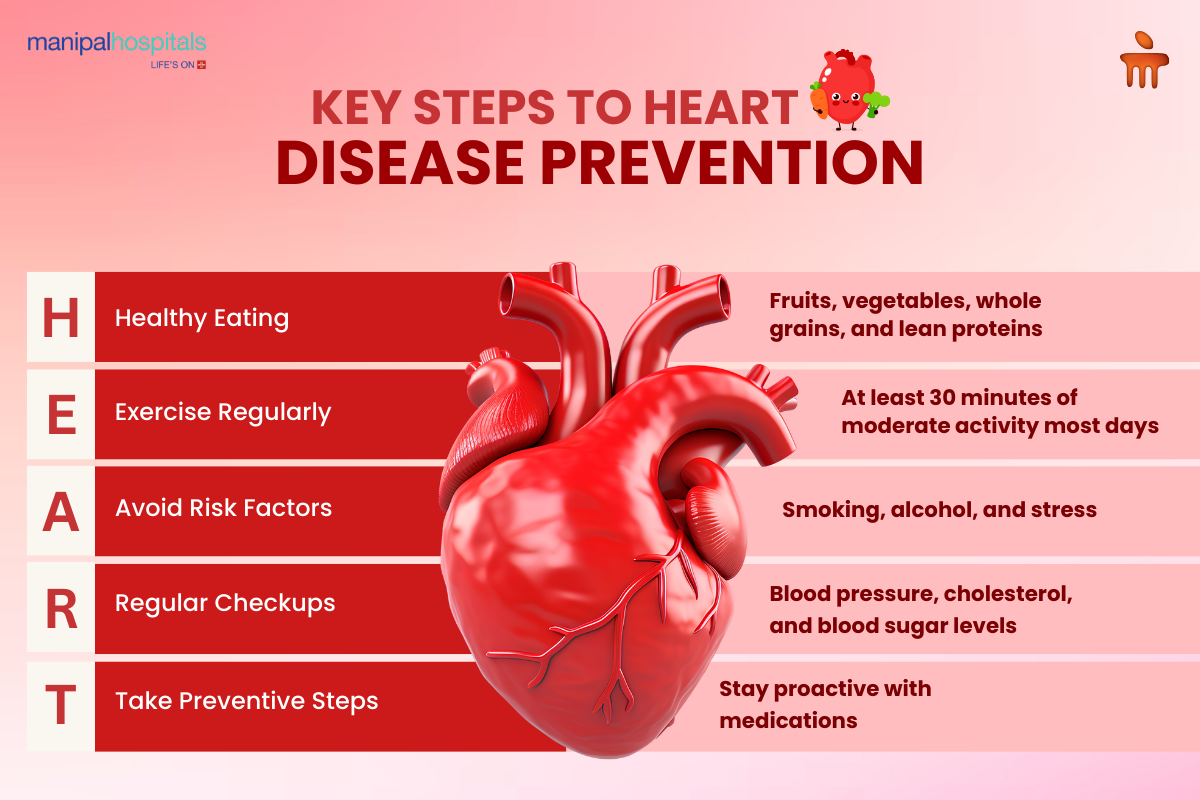
Heart Disease Prevention starts with controlling the major risks that damage arteries and strain the heart over time. High blood pressure, unhealthy cholesterol, smoking, diabetes, inactivity, poor diet, excess weight, and inadequate sleep can all raise cardiovascular risk for many people.
The most effective strategy combines daily habits with regular screening and, when needed, medication. Eating well, staying active, avoiding tobacco, managing blood pressure, cholesterol, and blood sugar, sleeping adequately, and understanding personal risk can substantially improve long-term heart health.
Why Heart Disease Prevention Matters
Cardiovascular disease remains the leading cause of death globally.
WHO estimates that cardiovascular diseases caused about 19.8 million deaths in 2022, representing approximately 32% of all global deaths. About 85% of those deaths were due to heart attack and stroke.
The encouraging part is that many major cardiovascular risk factors are modifiable.
WHO identifies tobacco use, unhealthy diet, physical inactivity, harmful alcohol use, obesity, high blood pressure, elevated blood glucose, abnormal blood lipids, and air pollution among important contributors to cardiovascular disease.
Prevention therefore involves much more than avoiding one particular food or taking one supplement.
It requires reducing several sources of cardiovascular risk over time.
Read More: Type 2 Diabetes and Liver Health: Risks, Causes and Prevention
What Actually Causes Heart Disease?
“Heart disease” describes several conditions affecting the heart.
One of the most common is coronary artery disease, which develops when plaque builds inside arteries supplying blood to the heart.
This process is called atherosclerosis.
Plaque formation is influenced by factors including:
- LDL and other atherogenic cholesterol particles;
- high blood pressure;
- tobacco exposure;
- diabetes;
- chronic metabolic dysfunction;
- age;
- genetics; and
- lifestyle patterns.
Over time, narrowed or damaged arteries can reduce blood flow.
If a plaque ruptures and a blood clot suddenly blocks an artery, a heart attack can occur.
Heart disease can also include conditions such as heart failure, arrhythmias, cardiomyopathy, and heart-valve disease, so prevention strategies vary somewhat according to the condition.
The Eight Core Areas of Cardiovascular Health
The American Heart Association organizes cardiovascular prevention around Life’s Essential 8.
These are:
- eat better;
- be more physically active;
- avoid tobacco and nicotine;
- get healthy sleep;
- manage weight;
- control cholesterol;
- manage blood sugar; and
- manage blood pressure.
These areas interact.
For example, regular exercise can improve:
- blood pressure;
- glucose control;
- body weight;
- cholesterol;
- sleep; and
- overall cardiovascular fitness.
Prevention is therefore usually most effective when several risk factors improve together.

1. Control Blood Pressure
High blood pressure is one of the most important preventable cardiovascular risks.
It can damage artery walls over time and increase the risk of:
- coronary artery disease;
- heart attack;
- stroke;
- heart failure;
- kidney disease; and
- other cardiovascular complications.
Hypertension often causes no symptoms, which means someone can have significantly elevated blood pressure without feeling sick.
What Blood Pressure Is Considered Healthy?
The 2025 AHA/ACC guideline classifies adult blood pressure as:
| Category | Systolic | Diastolic |
|---|---|---|
| Normal | Below 120 | Below 80 |
| Elevated | 120–129 | Below 80 |
| Stage 1 hypertension | 130–139 | 80–89 |
| Stage 2 hypertension | 140 or higher | 90 or higher |
The guideline’s general treatment goal is below 130/80 mm Hg for most adults receiving treatment, while individual circumstances can modify clinical decisions.
How to Lower Blood Pressure
Evidence-based strategies include:
- reducing excess sodium;
- following a heart-healthy dietary pattern;
- maintaining an appropriate weight;
- exercising regularly;
- reducing or eliminating excess alcohol;
- stopping tobacco use;
- managing stress; and
- taking prescribed medication consistently when needed.
Home blood pressure monitoring can also help, especially for people already diagnosed with hypertension.
The 2025 guideline supports validated home monitoring but cautions against relying on cuffless devices such as smartwatches for accurate clinical blood-pressure measurement until their reliability improves.
2. Know and Manage Your Cholesterol
Cholesterol itself is necessary for normal body function.
The problem occurs when too many atherogenic lipoproteins circulate in the blood and become involved in plaque formation.
LDL cholesterol is particularly important.
The 2026 AHA/ACC dyslipidemia guideline also emphasizes that cardiovascular risk involves more than LDL alone, including triglyceride-rich particles and lipoprotein(a), or Lp(a).
LDL Cholesterol
Lower LDL exposure generally reduces atherosclerotic cardiovascular risk in people who are appropriate candidates for treatment.
Lifestyle measures can help by emphasizing:
- vegetables;
- fruits;
- legumes;
- whole grains;
- nuts;
- fish;
- lean proteins;
- unsaturated fats; and
- fewer foods high in saturated and trans fats.
What Is Lipoprotein(a)?
Lp(a) is a cholesterol-carrying particle influenced largely by genetics.
The 2026 dyslipidemia guideline recommends measuring Lp(a) at least once in a lifetime to help identify people with inherited cardiovascular risk that may not be obvious from a standard lipid panel.
People with:
- premature cardiovascular disease in the family;
- very high cholesterol;
- known vascular disease; or
- other strong risk factors
may require more detailed lipid assessment.
3. Do Not Smoke or Use Tobacco
Avoiding tobacco is one of the highest-impact cardiovascular prevention strategies.
Smoking damages blood vessels, promotes atherosclerosis, increases clotting risk, and raises the likelihood of heart attack and stroke.
CDC lists smoking alongside high blood pressure and high cholesterol as one of the major heart-disease risk factors.
If you do not smoke, do not start.
If you currently smoke, quitting provides cardiovascular benefits even after years of tobacco use.
A healthcare professional can help with:
- nicotine-replacement therapy;
- prescription cessation medicines;
- behavioral counseling; and
- structured quit programmes.
Secondhand smoke exposure should also be minimized.
4. Move for at Least 150 Minutes Each Week
Regular physical activity strengthens the cardiovascular system and improves multiple risk factors simultaneously.
The American Heart Association recommends adults obtain at least:
- 150 minutes of moderate-intensity aerobic activity weekly, or
- 75 minutes of vigorous activity weekly, or
- an equivalent combination.
Muscle-strengthening activity on at least two days per week can provide additional health benefits.
What Counts as Moderate Exercise?
Examples can include:
- brisk walking;
- cycling;
- swimming;
- active gardening;
- dancing; and
- some recreational sports.
A practical schedule could be:
| Day | Activity |
|---|---|
| Monday | 30-minute brisk walk |
| Tuesday | Strength training |
| Wednesday | 30-minute walk or cycle |
| Thursday | Light activity or rest |
| Friday | 30-minute brisk walk |
| Saturday | Strength training + 30-minute activity |
| Sunday | 30-minute walk |
People who have been inactive or have heart disease, significant diabetes complications, severe hypertension, or other major medical conditions should discuss major exercise changes with their clinician.
5. Follow a Heart-Healthy Eating Pattern
No single “heart superfood” prevents cardiovascular disease.
The overall eating pattern matters more.
The American Heart Association recommends a dietary pattern centered on:
- fruits;
- vegetables;
- whole grains;
- legumes;
- nuts and seeds;
- fish and seafood;
- lean protein;
- low-fat or fat-free dairy when appropriate; and
- plant-based liquid oils such as olive or canola oil.
Foods to Limit
A heart-healthy pattern generally minimizes:
- heavily processed foods;
- processed meats;
- excessive sodium;
- foods high in saturated fat;
- trans fats;
- sugar-sweetened drinks; and
- excessive added sugars.
This approach can improve more than cholesterol.
It can also support healthier:
- blood pressure;
- blood glucose;
- body weight; and
- triglyceride levels.
6. Reduce Excess Sodium
High sodium intake can raise blood pressure in susceptible people.
Reducing sodium therefore matters especially for people with:
- hypertension;
- kidney disease;
- heart failure;
- elevated cardiovascular risk; or
- salt-sensitive blood pressure.
WHO lists reducing dietary salt as one of the proven approaches for lowering cardiovascular risk.
A major source of sodium is often not the salt shaker.
Packaged and restaurant foods can contribute substantial amounts.
Reading labels and comparing similar products can help identify lower-sodium options.
7. Maintain a Healthy Weight Without Focusing Only on BMI
Excess body fat—particularly visceral or abdominal fat—can increase the likelihood of:
- hypertension;
- abnormal cholesterol;
- insulin resistance;
- type 2 diabetes;
- sleep apnea; and
- cardiovascular disease.
CDC identifies overweight and obesity as important contributors to heart-disease risk.
However, body weight is only one measure of health.
BMI can be useful for population-level screening but does not directly measure:
- body-fat distribution;
- muscle mass;
- fitness;
- metabolic health; or
- cardiovascular function.
For someone with excess weight, even gradual sustainable improvement can benefit blood pressure, blood glucose, mobility, and other cardiovascular risks.
8. Prevent or Manage Type 2 Diabetes
High blood glucose can damage blood vessels and accelerate cardiovascular disease.
People with diabetes frequently have other overlapping risks such as:
- hypertension;
- abnormal cholesterol;
- obesity;
- kidney disease; and
- inflammation related to metabolic dysfunction.
Heart-disease prevention therefore includes:
- screening for diabetes when appropriate;
- monitoring HbA1c in people with diabetes;
- following an individualized nutrition plan;
- staying physically active; and
- using prescribed glucose-lowering medication consistently.
Modern diabetes treatment may also prioritize medicines with demonstrated cardiovascular or kidney benefits when clinically appropriate.
9. Prioritize Sleep
Sleep is now recognized as a core cardiovascular health factor.
The American Heart Association recommends that most adults aim for an average of 7–9 hours of sleep per night.
Poor sleep can affect:
- blood pressure;
- blood sugar;
- appetite;
- weight;
- stress regulation; and
- overall cardiovascular health.
Consider Sleep Apnea
Obstructive sleep apnea causes repeated breathing interruptions during sleep.
It is particularly important to discuss with a clinician if you have:
- loud snoring;
- witnessed pauses in breathing;
- daytime sleepiness;
- resistant hypertension; or
- obesity.
Treating significant sleep disorders can be an important part of comprehensive cardiovascular care.
10. Limit Alcohol
Alcohol should not be started as a heart-disease prevention strategy.
Higher alcohol intake can contribute to:
- high blood pressure;
- abnormal heart rhythms;
- elevated triglycerides;
- liver disease;
- weight gain; and
- other health problems.
WHO includes harmful alcohol consumption among major behavioral cardiovascular risk factors.
People who drink should follow relevant national guidance and discuss alcohol use with a healthcare professional if they have hypertension, arrhythmia, liver disease, or other medical conditions.
11. Manage Stress, but Do Not Blame Stress for Everything
Chronic psychological stress can indirectly affect cardiovascular health by influencing:
- sleep;
- blood pressure;
- physical activity;
- eating;
- smoking;
- alcohol use; and
- medication adherence.
Stress management can include:
- regular physical activity;
- adequate sleep;
- structured relaxation;
- social support;
- counseling or therapy when needed; and
- treating anxiety or depression appropriately.
However, stress reduction should complement—not replace—control of blood pressure, cholesterol, diabetes, and tobacco exposure.
12. Know Your Personal Cardiovascular Risk
Not everyone with the same cholesterol or blood-pressure number has the same overall risk.
Age, kidney function, diabetes, smoking, blood pressure, cholesterol, and other factors interact.
Modern U.S. guidelines increasingly use the PREVENT equations developed by the American Heart Association to estimate cardiovascular risk.
The 2025 hypertension guideline uses PREVENT estimates when deciding whether some adults with stage 1 hypertension should begin medication, while the 2026 dyslipidemia guideline uses PREVENT-ASCVD to help guide primary-prevention lipid treatment in adults aged 30–79.
A risk calculator does not diagnose heart disease.
It helps organize a discussion about prevention.
13. Do Not Ignore Family History
Some cardiovascular risks cannot be changed.
These include:
- age;
- certain inherited lipid disorders;
- family history of premature heart disease; and
- genetic predisposition to high Lp(a).
Family history is especially important when a parent, sibling, or other close relative experienced cardiovascular disease at an unusually young age.
A strong family history may justify earlier or more intensive evaluation even when someone feels healthy.
14. Consider Coronary Artery Calcium Testing When Risk Is Uncertain
A coronary artery calcium, or CAC, scan uses CT imaging to detect calcium within coronary artery plaque.
It is not necessary for everyone.
The 2026 dyslipidemia guideline expands the selective use of CAC scoring when treatment decisions remain uncertain after standard risk assessment.
CAC can sometimes help clarify whether preventive cholesterol-lowering treatment is appropriate.
It should be ordered in the context of a clinical risk discussion rather than used as a routine screening test for every healthy adult.
15. Understand When Medication Becomes Prevention
Lifestyle remains fundamental, but medication can substantially reduce cardiovascular risk when a person’s baseline risk is high enough.
Preventive medicines may include:
- statins or other lipid-lowering drugs;
- blood-pressure medications;
- diabetes medications with cardiovascular benefit; and
- other therapies selected for individual conditions.
Taking medication does not mean lifestyle changes failed.
For many people, inherited biology or established disease makes lifestyle alone insufficient.
Blood Pressure Medication
The 2025 AHA/ACC guideline recommends medication plus lifestyle treatment for all adults with average blood pressure at or above 140/90 mm Hg.
Medication may also be recommended at 130/80 mm Hg or above when someone has cardiovascular disease, previous stroke, diabetes, chronic kidney disease, or sufficiently elevated predicted cardiovascular risk.
Cholesterol Medication
Statins remain foundational treatment for many people at elevated atherosclerotic cardiovascular risk.
The 2026 dyslipidemia guideline emphasizes earlier management of harmful lipid exposure and uses overall risk—not LDL alone—to guide many primary-prevention decisions.
Should You Take Aspirin to Prevent a Heart Attack?
Do not begin daily aspirin simply because you are concerned about heart disease.
Aspirin reduces clot formation but also increases bleeding risk.
For people who have never had cardiovascular disease, the balance between benefit and bleeding can be small.
The current USPSTF recommendation states that starting low-dose aspirin for primary prevention in adults aged 40–59 with at least 10% estimated 10-year cardiovascular risk should be an individualized decision.
It recommends against starting aspirin for primary prevention in adults aged 60 or older.
These recommendations do not apply in the same way to someone already prescribed aspirin after a heart attack, stroke, stent, or other established vascular disease.
Never stop prescribed aspirin without discussing it with the treating clinician.
Which Health Numbers Should You Know?
A basic heart-health review may include:
| Health measure | Why it matters |
|---|---|
| Blood pressure | High levels damage arteries and strain the heart |
| LDL cholesterol | Contributes to atherosclerotic plaque |
| Non-HDL cholesterol | Reflects several atherogenic cholesterol particles |
| Triglycerides | High levels can accompany metabolic risk |
| Lp(a) | Identifies an important inherited cardiovascular risk |
| Blood glucose | Helps identify diabetes or prediabetes |
| HbA1c | Reflects longer-term glucose control |
| Weight and waist pattern | Helps assess metabolic risk |
| Kidney function | Kidney and cardiovascular disease are closely linked |
How often these tests should be repeated depends on age, results, family history, medications, and existing disease.
What Is the Most Important Heart-Disease Prevention Step?
There is no single answer for everyone.
For a smoker, quitting tobacco might produce the largest improvement.
For someone with severe untreated hypertension, controlling blood pressure may be most urgent.
For another person, markedly elevated LDL caused by familial hypercholesterolemia may dominate lifetime risk.
This is why prevention should be prioritized according to absolute risk, not simply a generic checklist.
A Practical Heart-Health Action Plan
A useful approach is to begin with measurable priorities.
Step 1: Know Your Baseline
Check:
- blood pressure;
- cholesterol;
- glucose or HbA1c where appropriate;
- weight and waist pattern;
- smoking status;
- activity level;
- sleep quality; and
- family history.
Step 2: Fix the Highest-Risk Problem First
Examples:
- uncontrolled hypertension → prioritize treatment;
- smoking → begin a structured quit plan;
- very high LDL → discuss lipid-lowering therapy;
- diabetes → improve glucose and cardiovascular risk management.
Step 3: Add Sustainable Daily Habits
Start with manageable targets such as:
- a 30-minute walk five days per week;
- vegetables with most meals;
- fewer sugary drinks;
- a regular bedtime;
- medication reminders;
- preparing lower-sodium meals; or
- checking blood pressure at home.
Step 4: Review Progress
Heart disease prevention works over years.
Repeat testing and medical follow-up show whether the strategy is actually improving risk.
What Cannot Be Prevented Completely?
Even excellent prevention cannot reduce cardiovascular risk to zero.
Some people have strong genetic risk.
Others develop cardiovascular disease despite healthy habits.
Prevention therefore means lowering probability, delaying disease, and reducing severity—not guaranteeing that a heart attack can never occur.
This distinction matters because heart disease should never be framed as a personal failure.
Know the Warning Signs of a Heart Attack
Prevention is essential, but people should also recognize an emergency.
Possible heart-attack symptoms can include:
- chest pressure, squeezing, fullness, or pain;
- discomfort spreading to the arm, shoulder, back, neck, or jaw;
- shortness of breath;
- cold sweating;
- nausea;
- lightheadedness; or
- unusual weakness.
Symptoms vary and are not always dramatic.
WHO notes that cardiovascular disease can remain silent until a heart attack or stroke becomes its first obvious manifestation.
Emergency symptoms require urgent medical care.
Frequently Asked Questions
What is the best way to prevent heart disease?
The strongest strategy is to control several risk factors together: avoid tobacco, maintain healthy blood pressure and cholesterol, exercise regularly, follow a heart-healthy diet, manage blood glucose, maintain an appropriate weight, and get adequate sleep.
How much exercise is needed for heart health?
Most adults should aim for at least 150 minutes of moderate aerobic activity or 75 minutes of vigorous activity each week, plus muscle-strengthening activity on at least two days when appropriate.
What blood pressure is considered normal?
Under the current AHA/ACC classification, normal adult blood pressure is below 120/80 mm Hg. Stage 1 hypertension begins at 130–139 systolic or 80–89 diastolic.
Can heart disease occur if cholesterol is normal?
Yes. Cholesterol is only one cardiovascular risk factor. High blood pressure, diabetes, smoking, kidney disease, genetics, Lp(a), obesity, inactivity, and other factors can contribute even when a standard cholesterol result appears acceptable.
Can walking prevent heart disease?
Regular walking can contribute meaningfully to cardiovascular prevention by improving fitness, blood pressure, glucose regulation, weight management, and other risk factors. Brisk walking can count toward the recommended 150 minutes of moderate activity per week.
Should everyone over 40 take a statin?
No. Statin treatment depends on LDL levels, established cardiovascular disease, diabetes, age, family history, estimated cardiovascular risk, and additional risk-enhancing factors. Modern guidelines support individualized risk assessment rather than giving a statin automatically based on age alone.
Should I take aspirin every day for my heart?
Do not start aspirin routinely without medical advice. For primary prevention, its cardiovascular benefit can be offset by bleeding risk. Current USPSTF guidance recommends individualized decisions for selected adults aged 40–59 and recommends against starting aspirin for primary prevention at age 60 or older.
How much sleep is best for heart health?
The American Heart Association recommends that most adults average 7–9 hours of sleep per night.
Conclusion
Heart Disease Prevention works best when it addresses the complete cardiovascular risk profile rather than focusing on one food, supplement, or laboratory number.
The most effective approach combines tobacco avoidance, regular exercise, nutritious eating, healthy sleep, weight management, and consistent control of blood pressure, cholesterol, and blood sugar. Screening and appropriate medication add further protection for people at higher risk.

1 Comment
Pingback: Daily Wellness Tips for Better Physical and Mental Health