

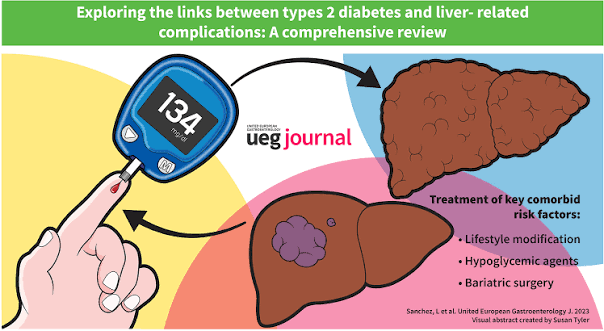
Type 2 Diabetes and Liver Health are closely connected because insulin resistance can affect both blood glucose control and fat storage in the liver. People with type 2 diabetes have a higher risk of metabolic dysfunction-associated steatotic liver disease, or MASLD, which can progress silently for years.
Understanding this link helps people act earlier. Weight management, regular physical activity, balanced eating, diabetes control, and appropriate liver screening can reduce risk. This article explains causes, warning signs, screening, and practical prevention.
How Type 2 Diabetes and Liver Health Are Connected
The liver plays a central role in glucose and fat metabolism.
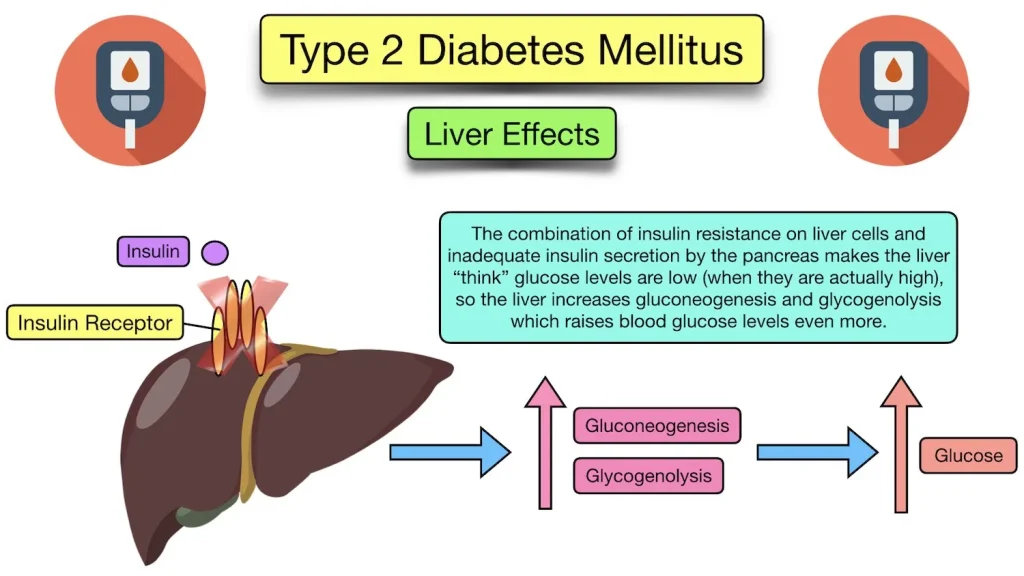
After a meal, insulin helps move glucose from the bloodstream into cells and encourages the liver to store some glucose for later use. Between meals, the liver can release glucose to help maintain the body’s energy supply.
In type 2 diabetes, the body becomes resistant to insulin’s effects. This insulin resistance changes the way glucose and fats are processed and can contribute to excess fat accumulating inside liver cells.
The relationship also works in the opposite direction.
Excess liver fat and metabolic liver disease can worsen insulin resistance, making blood glucose regulation more difficult. CDC describes type 2 diabetes and metabolic liver disease as closely connected conditions that can increase the risk of one another.
Read More: Why Measles Cases Are Rising and How to Stay Protected
What Is MASLD?
Metabolic dysfunction-associated steatotic liver disease, or MASLD, is the current term for a condition previously called nonalcoholic fatty liver disease, or NAFLD.
MASLD involves excess fat accumulation in the liver alongside metabolic risk factors such as:
- type 2 diabetes;
- overweight or obesity;
- abnormal cholesterol or triglycerides;
- high blood pressure; or
- other signs of metabolic dysfunction.
The American Diabetes Association notes that MASLD has replaced NAFLD terminology and that more than 70% of people with type 2 diabetes may have MASLD.
That makes liver health particularly important in routine diabetes care.
MASLD vs MASH: What Is the Difference?
Not everyone with liver fat develops serious liver damage.
MASLD describes the broader condition involving metabolic dysfunction and excess liver fat.
Metabolic dysfunction-associated steatohepatitis, or MASH, is a more advanced form involving:
- liver fat;
- inflammation;
- liver-cell injury; and
- potentially fibrosis, or scarring.
MASH was previously called NASH, or nonalcoholic steatohepatitis.
The progression can be simplified like this:
| Stage | What is happening |
|---|---|
| Normal liver | No significant excess fat or scarring |
| MASLD | Excess liver fat with metabolic risk factors |
| MASH | Fat plus inflammation and liver-cell injury |
| Fibrosis | Scar tissue begins building in the liver |
| Cirrhosis | Advanced, permanent liver scarring |
| Advanced complications | Liver failure or liver cancer may develop in some patients |
Most people with MASLD do not automatically progress through every stage.
The important clinical question is often not simply whether liver fat exists, but whether significant fibrosis is developing.
Why Does Type 2 Diabetes Increase Fatty Liver Risk?
Several metabolic processes connect the conditions.
Insulin Resistance
Insulin resistance is central to type 2 diabetes.
When body tissues respond poorly to insulin, the pancreas initially tries to compensate by producing more insulin. At the same time, fat metabolism becomes disrupted.
More fatty acids may reach the liver, while the liver can also produce additional fat.
Over time, triglycerides can accumulate inside liver cells.
Excess Body Fat
Overweight and obesity, particularly excess abdominal or visceral fat, strongly overlap with type 2 diabetes and MASLD.
Visceral fat is metabolically active and can release fatty acids and inflammatory signals that contribute to insulin resistance.
However, MASLD is not limited to people with obesity. Genetics, body-fat distribution, ethnicity, age and other metabolic factors can influence risk.
High Blood Glucose
Persistent hyperglycemia reflects underlying metabolic dysfunction and can contribute to processes that affect multiple organs.
The liver is particularly important because it regulates both glucose and fat metabolism.
High Triglycerides and Cholesterol Problems
Abnormal blood lipid levels frequently occur alongside insulin resistance.
High triglycerides and other forms of dyslipidemia are part of the broader cardiometabolic pattern often associated with MASLD.
High Blood Pressure
Hypertension commonly clusters with diabetes, abdominal obesity and abnormal cholesterol as part of metabolic dysfunction.
Having several of these risk factors together increases the likelihood that liver disease will develop or progress.
Who Is Most at Risk?
People with type 2 diabetes already have an important risk factor for MASLD, but risk increases further when other conditions are present.
Important risk factors include:
- overweight or obesity;
- excess abdominal fat;
- high triglycerides;
- high LDL cholesterol or other lipid abnormalities;
- high blood pressure;
- prediabetes;
- metabolic syndrome;
- low levels of physical activity;
- certain genetic factors; and
- a history of steatotic liver disease.
ADA guidance specifically identifies adults with type 2 diabetes or prediabetes—particularly those with obesity, additional cardiometabolic risk factors or cardiovascular disease—as a group that warrants assessment for liver fibrosis risk.
How Common Is Liver Disease in Type 2 Diabetes?
The overlap is substantial.
The 2026 American Diabetes Association Standards of Care state that more than 70% of people with type 2 diabetes may have MASLD.
Earlier NIDDK reviews similarly found a very high prevalence of fatty liver among people with type 2 diabetes.
Not everyone with MASLD will develop advanced liver disease.
The larger concern is identifying the subgroup developing MASH and significant fibrosis before irreversible complications appear.
Why Liver Disease Can Be Easy to Miss
MASLD is often described as a silent disease.
Many people experience no clear symptoms during its early stages.
Someone can therefore have excess liver fat or even developing fibrosis while feeling generally well.
CDC notes that MASLD and MASH may progress for years without obvious symptoms.
This is one reason normal day-to-day functioning should not be taken as proof that the liver is healthy.
Possible Symptoms of Liver Disease
When symptoms do occur, they may be nonspecific.
Possible symptoms include:
- persistent fatigue;
- reduced appetite;
- discomfort or pain in the upper-right abdomen;
- unexplained weight loss;
- weakness; or
- general malaise.
More advanced liver disease can cause signs such as:
- yellowing of the skin or eyes;
- abdominal swelling;
- leg swelling;
- easy bruising or bleeding;
- confusion; or
- other signs of liver dysfunction.
These symptoms are not specific to MASLD.
They can occur with many other conditions and require professional medical assessment rather than self-diagnosis.
Why Normal Liver Enzymes Do Not Always Rule Out Risk
One of the most useful changes in modern diabetes care is greater attention to fibrosis screening rather than relying only on whether liver enzymes appear elevated.
The 2026 ADA Standards recommend assessing adults with type 2 diabetes or prediabetes for fibrosis risk with the FIB-4 index, particularly when obesity or other cardiometabolic risks are present.
Importantly, this screening is recommended even when liver enzymes are normal.
This matters because some people with clinically important liver fibrosis do not have dramatically abnormal ALT or AST values.
What Is the FIB-4 Index?
FIB-4 is a noninvasive risk-assessment tool used to estimate the likelihood of liver fibrosis.
It uses information including:
- age;
- ALT;
- AST; and
- platelet count.
It does not directly diagnose cirrhosis.
Instead, it helps clinicians identify people who may need additional testing.
According to 2026 ADA guidance, a FIB-4 result at or above 1.3 in many adults with type 2 diabetes or prediabetes should generally lead to additional fibrosis risk assessment, although interpretation varies with age and clinical circumstances.
FIB-4 should therefore be interpreted by a healthcare professional rather than used as a stand-alone home diagnosis.
What Happens If Fibrosis Risk Is Elevated?
Additional testing may include transient elastography, which measures liver stiffness.
Greater stiffness can indicate greater fibrosis.
Another possible test is the Enhanced Liver Fibrosis, or ELF, blood test.
ADA recommends additional assessment using transient elastography, or ELF when elastography is unavailable, for patients whose initial risk assessment indicates possible significant fibrosis.
People at higher risk may be referred to a gastroenterologist or hepatologist.
Liver Tests Explained
| Test | What it helps assess |
|---|---|
| ALT and AST | Possible liver-cell injury |
| Platelet count | Used with other factors in fibrosis assessment |
| FIB-4 | Estimates risk of clinically important fibrosis |
| Ultrasound | Can identify liver fat and structural changes |
| Transient elastography | Estimates liver stiffness and fibrosis risk |
| ELF test | Blood-based fibrosis risk assessment |
| MRI | Can provide detailed assessment of liver fat or tissue |
| Liver biopsy | Can directly assess inflammation and fibrosis when clinically necessary |
No single test answers every question.
Testing is usually selected according to the person’s diabetes history, liver results, metabolic risks and initial fibrosis assessment.
What Can Happen If Liver Disease Progresses?
The most important concern is progressive fibrosis.
Repeated liver injury and inflammation can gradually produce scar tissue.
Advanced fibrosis may eventually progress to cirrhosis, in which normal liver tissue is extensively replaced by scarring.
Cirrhosis can increase the risk of:
- portal hypertension;
- internal bleeding;
- fluid buildup;
- liver failure;
- hepatic encephalopathy; and
- hepatocellular carcinoma, a form of liver cancer.
ADA identifies type 2 diabetes as an important risk factor for MASH and worse liver outcomes, including cirrhosis and hepatocellular carcinoma among people who develop significant fibrosis.
Cardiovascular Health Matters Too
Liver disease should not be viewed in isolation.
People with MASLD frequently have the same metabolic risk factors that increase the risk of cardiovascular disease.
These include:
- diabetes;
- hypertension;
- obesity;
- high triglycerides;
- abnormal cholesterol; and
- insulin resistance.
NIDDK notes that cardiovascular disease is an important health risk among people with fatty liver disease.
Protecting liver health therefore overlaps substantially with protecting heart, blood-vessel and metabolic health.
Can Type 2 Diabetes and Fatty Liver Be Prevented?
Not every case is preventable.
Genetics, aging and other nonmodifiable factors contribute to risk.
However, many of the most important risk factors can be improved.
WHO identifies healthy weight, regular physical activity, healthy eating and avoiding tobacco as important strategies for preventing or delaying type 2 diabetes.
Many of those same behaviors also benefit the liver.
1. Aim for a Healthy, Sustainable Weight
Weight management is one of the most effective lifestyle strategies for people with overweight or obesity who have MASLD.
NIDDK reports that losing approximately 3% to 5% of body weight may reduce liver fat, while greater weight loss—often around 7% to 10%—may be needed to improve liver inflammation and fibrosis in some people.
The goal is gradual, sustainable loss.
Extreme dieting, severe calorie restriction and rapid unmonitored weight loss are not appropriate liver-health strategies.
A Practical Example
For someone weighing 100 kg:
- 5% weight loss = 5 kg;
- 7% weight loss = 7 kg;
- 10% weight loss = 10 kg.
These percentages are examples, not universal prescriptions.
A suitable target should account for the person’s health, medications, nutritional needs and diabetes management.
2. Exercise Regularly
Physical activity improves insulin sensitivity and helps the body use glucose more effectively.
It can also reduce liver fat even when substantial weight loss does not occur.
WHO recommends adults aim for at least 150 minutes of moderate physical activity per week as part of diabetes prevention.
A practical schedule could be:
- 30 minutes on five days each week;
- a combination of brisk walking and resistance exercise; or
- shorter activity periods accumulated throughout the day.
People who have been inactive, have heart disease, diabetes complications or significant mobility limitations should discuss major exercise changes with their healthcare team.
3. Build Meals Around Minimally Processed Foods
No single food causes MASLD, and no single food cures it.
The broader eating pattern matters more.
A liver- and diabetes-friendly diet commonly emphasizes:
- vegetables;
- whole fruits;
- legumes;
- whole grains;
- fish;
- lean protein sources;
- nuts and seeds;
- unsaturated fats; and
- appropriate portion sizes.
NIDDK recommends reducing foods and drinks high in simple sugars and replacing saturated and trans fats with healthier unsaturated fats when appropriate.
4. Reduce Sugar-Sweetened Drinks
Sugary drinks can deliver large quantities of rapidly absorbed sugar without creating much fullness.
Regular consumption may make weight and glucose management more difficult.
Water, unsweetened drinks or other low-sugar alternatives are generally better everyday choices.
For someone with diabetes, carbohydrate intake should be considered as part of the complete eating plan rather than focusing on sugar alone.
5. Manage Blood Glucose Consistently
Healthy liver care and diabetes care are not separate goals.
Good diabetes management can include:
- appropriate nutrition;
- physical activity;
- medication when prescribed;
- blood glucose monitoring when recommended;
- HbA1c monitoring;
- regular clinical follow-up; and
- treatment of other metabolic risk factors.
People should not stop, start or change diabetes medication simply because they are concerned about their liver.
Medication choices should be reviewed with a clinician who can consider glucose control, weight, kidney function, cardiovascular disease and liver status together.
6. Control Blood Pressure and Cholesterol
High blood pressure and abnormal cholesterol often accompany insulin resistance.
Managing them helps reduce overall cardiometabolic risk.
Treatment may involve a combination of:
- diet;
- exercise;
- weight management;
- medication; and
- regular monitoring.
The aim is not simply to improve liver test numbers but to reduce the person’s overall long-term risk of cardiovascular, metabolic and liver complications.
7. Be Careful With Alcohol
Alcohol and metabolic liver disease can overlap.
Someone with established liver disease may need stricter alcohol limits than the general population.
CDC advises people with liver disease or elevated risk to limit alcohol because it can add additional stress to the liver.
People with significant fibrosis, cirrhosis or other liver conditions should follow individualized advice from their clinician.
8. Do Not Assume “Natural” Supplements Are Liver-Safe
Herbal products, bodybuilding supplements and concentrated dietary supplements can sometimes cause liver injury.
NIDDK advises discussing supplements and complementary therapies with a healthcare professional because some herbal products can damage the liver.
“Natural” does not automatically mean harmless.
What Has Changed in Liver Treatment?
Lifestyle measures remain fundamental, but treatment options have expanded for certain people with more advanced disease.
In 2024, the FDA approved resmetirom (Rezdiffra) for selected adults with noncirrhotic MASH and moderate-to-advanced fibrosis, alongside diet and exercise.
In August 2025, the FDA also approved semaglutide (Wegovy) for adults with noncirrhotic MASH and moderate-to-advanced liver fibrosis under accelerated approval.
These medicines are not general preventive treatments for everyone with fatty liver or diabetes.
Eligibility depends on the stage of liver disease, medical history, contraindications and professional assessment.
How Diabetes Medicines Fit Into Liver Care
Some diabetes medications may offer benefits beyond lowering blood glucose.
The 2026 ADA Standards state that GLP-1 receptor agonists with demonstrated MASH benefits may be considered in appropriate adults with type 2 diabetes, MASLD and overweight or obesity.
For adults with type 2 diabetes and biopsy-confirmed MASH or high fibrosis risk, ADA gives preference to a GLP-1 receptor agonist with demonstrated benefit for glycemic management.
That does not mean every patient with diabetes needs one of these medicines.
Treatment must be individualized.
When Should Someone With Type 2 Diabetes Ask About Liver Screening?
A reasonable time is during routine diabetes care rather than waiting for liver symptoms.
People should particularly discuss liver assessment when they have:
- type 2 diabetes;
- obesity or central weight gain;
- elevated triglycerides;
- high blood pressure;
- known fatty liver on previous imaging;
- persistently abnormal liver tests;
- metabolic syndrome; or
- several cardiometabolic risk factors.
The key point from current ADA guidance is that people with type 2 diabetes may need fibrosis risk assessment even when liver enzymes appear normal.
When Should Medical Care Be Sought Promptly?
Seek medical evaluation if symptoms suggest more serious liver disease, particularly:
- yellow skin or eyes;
- significant abdominal swelling;
- vomiting blood;
- black or bloody stools;
- new confusion;
- severe persistent abdominal pain;
- unexplained rapid weight loss; or
- rapidly worsening weakness.
These symptoms can have several causes and should not be attributed to fatty liver without medical assessment.
A Practical Liver-Health Checklist for People With Type 2 Diabetes
| Area | Useful action |
|---|---|
| Diabetes | Follow the agreed glucose-management plan |
| Weight | Work toward a sustainable healthy weight if appropriate |
| Exercise | Build regular aerobic and resistance activity |
| Diet | Prioritize minimally processed foods and sensible portions |
| Sugary drinks | Limit routine intake |
| Blood pressure | Check and treat when needed |
| Cholesterol | Monitor triglycerides and other lipids |
| Alcohol | Discuss safe limits with your clinician |
| Supplements | Review them before use |
| Liver screening | Ask whether fibrosis risk assessment is appropriate |
| Follow-up | Repeat testing according to medical advice |
Frequently Asked Questions
Does type 2 diabetes cause fatty liver disease?
Type 2 diabetes does not mean someone will automatically develop MASLD, but the conditions are strongly associated. Insulin resistance, excess body fat, high triglycerides and other metabolic abnormalities contribute to both diseases. More than 70% of people with type 2 diabetes may have MASLD according to current ADA guidance.
Can fatty liver make diabetes worse?
Yes. The relationship can work in both directions. Excess liver fat and insulin resistance can interfere with normal glucose regulation, while type 2 diabetes can increase the risk that liver disease becomes more severe.
Can you have serious liver disease with normal liver enzymes?
Yes. Normal ALT or AST levels do not reliably rule out clinically important fibrosis. Current ADA guidance recommends fibrosis risk screening in adults with type 2 diabetes or prediabetes when appropriate, even if liver enzymes are normal.
Can fatty liver be reversed?
Early liver fat can often improve substantially with weight management, healthier eating, physical activity and better metabolic control. NIDDK reports that modest weight loss can reduce liver fat, while greater weight loss may improve inflammation and fibrosis. Advanced cirrhosis is a different condition and requires specialist management.
What is the best diet for diabetes and fatty liver?
There is no single mandatory diet. A sustainable pattern emphasizing vegetables, whole foods, appropriate portions, unsaturated fats and fewer highly processed foods and sugar-rich drinks can support both glucose and liver health. Individual dietary advice should account for diabetes medications, kidney health and nutritional needs.
How much exercise helps liver health?
Regular physical activity can improve insulin sensitivity and reduce liver fat. WHO recommends at least 150 minutes of moderate activity weekly for adults as part of type 2 diabetes prevention, although individual exercise plans may need adjustment for existing medical conditions.
Should everyone with type 2 diabetes get a liver ultrasound?
Not necessarily. Current guidance increasingly begins with fibrosis risk assessment such as FIB-4 and then uses additional tests such as transient elastography when indicated. The most appropriate pathway depends on age, laboratory results and individual risk.
Can diabetes medicines improve liver disease?
Some medications used in diabetes or obesity management may also benefit MASH in selected patients. Current ADA guidance recognizes certain GLP-1 receptor agonists as useful options in appropriate people, but treatment decisions should be made by a healthcare professional based on the person’s complete medical situation.
Conclusion
Type 2 Diabetes and Liver Health are closely linked through insulin resistance, body-fat distribution and broader metabolic dysfunction. Because MASLD can develop without obvious symptoms, prevention should combine healthy weight management, physical activity, balanced nutrition, good diabetes control and appropriate fibrosis screening.

2 Comments
Pingback: GLP-1 Medications: How They Are Changing Metabolic
Pingback: Heart Disease Prevention: Best Strategies